The short answer
Yes — Kabukicho is safe for visitors at night, with one big caveat: never follow a street tout into a bar. Violent crime is rare even here, in Japan’s largest entertainment district, but overcharging scams targeting tourists are real. Walk with purpose, choose venues yourself (or go with a local), and Kabukicho is one of the most electric nights out in the world.
Want to do this with a local? Shinjuku Food & Drink Night Tour — From $130 (~¥20,500), small group, led by our own guides.
What Kabukicho actually is
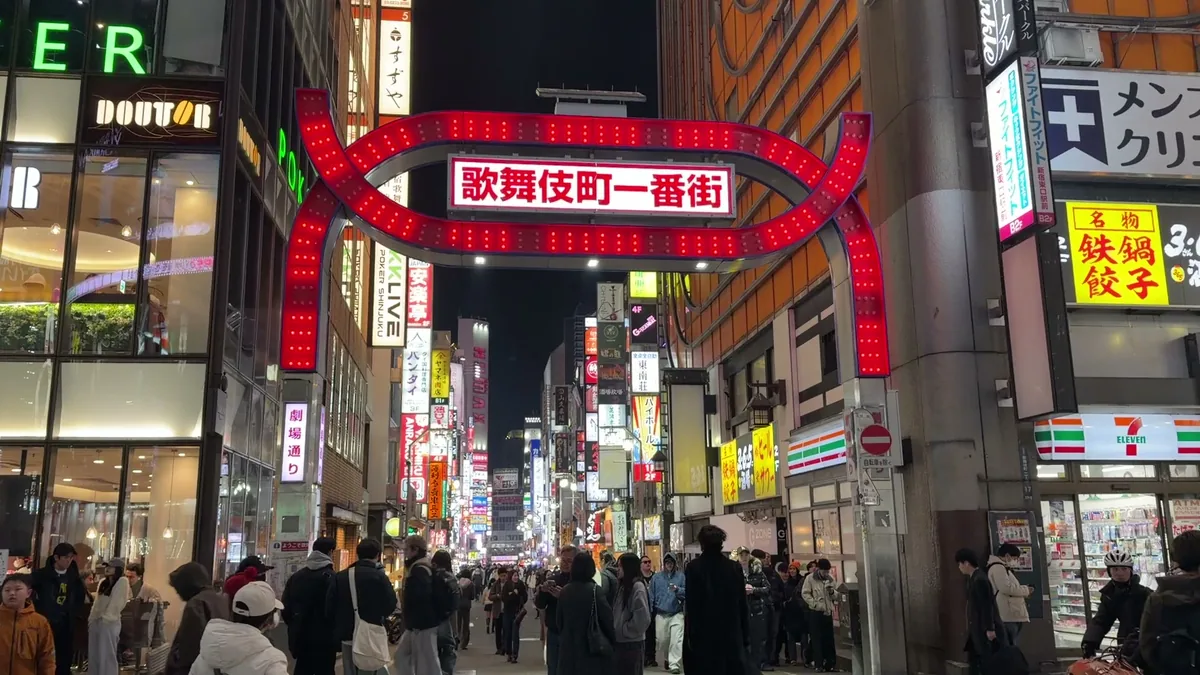
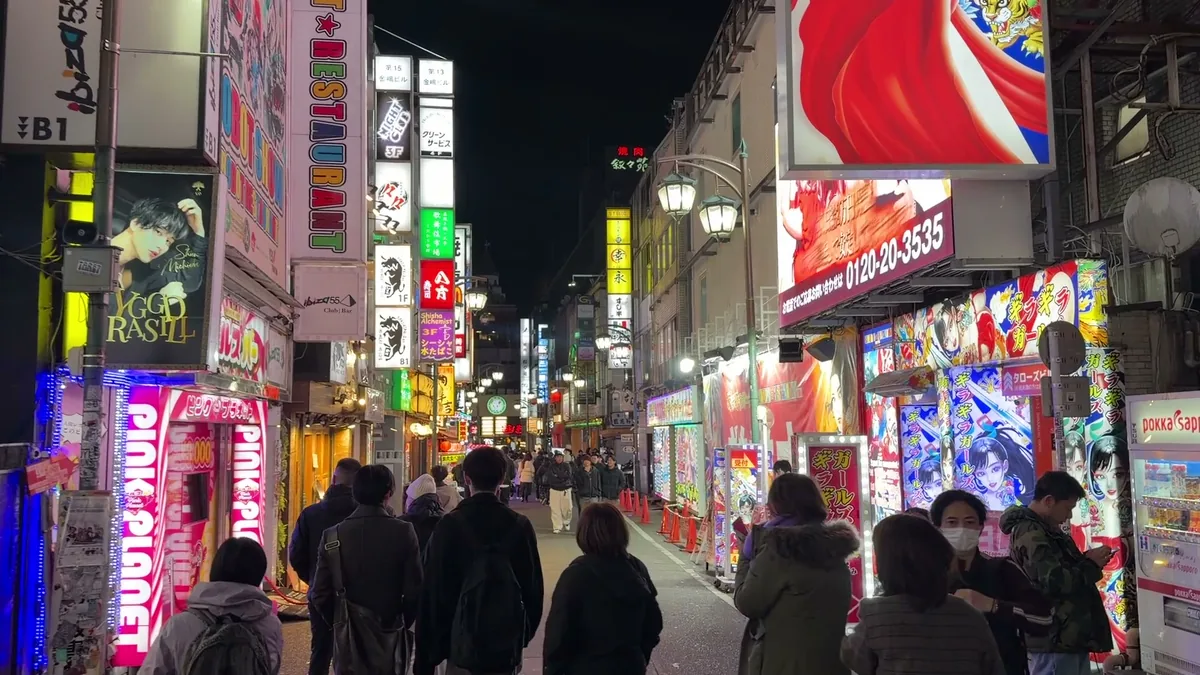
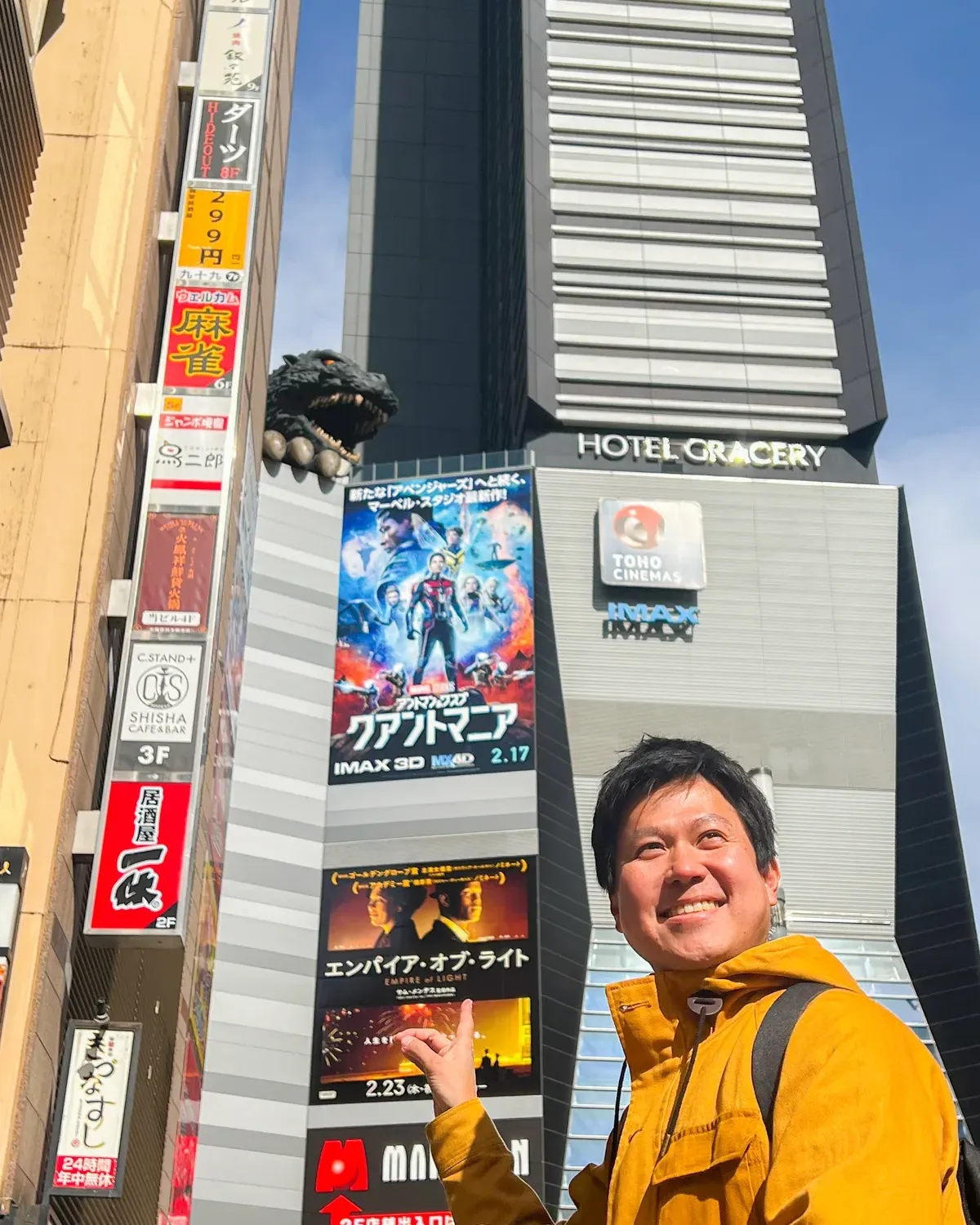
Kabukicho is a roughly 0.3 km² grid of neon just northeast of Shinjuku Station, packed with thousands of bars, restaurants, karaoke rooms, arcades, cinemas, and yes — host clubs and adult venues. It’s often called a “red-light district,” which makes it sound far more dangerous than it feels on the ground. On any given evening, the crowds are a mix of office workers, students, tourists, and cinema-goers heading to Godzilla’s head on top of the Toho building.
Japan consistently ranks among the safest countries in the world for violent crime, and Kabukicho is heavily policed and lit like a stadium. The risk here isn’t your physical safety — it’s your wallet.
The one rule: never follow a tout
The classic Kabukicho problem is the bottakuri (rip-off) bar: a friendly tout on the street promises cheap drinks and pretty company, and two hours later you’re facing a bill with “service charges” in the tens of thousands of yen. Tokyo even has an ordinance banning aggressive touting — which tells you how common it once was.
The fix is simple and absolute: politely ignore anyone who approaches you on the street, no matter how good their English is or how reasonable the offer sounds. Reputable bars in Tokyo do not need to drag customers in off the street. Choose places yourself, check prices before sitting down (a cover charge of ¥300–¥800 is normal and legitimate at small bars), and you remove essentially all of the risk.
Practical tips from our guides
Keep your group together late at night, especially on the smaller streets east of Cine City Plaza. Drink prices should be visible — if a menu has no prices, leave. Use the main streets after midnight; they stay busy and bright. And if anything ever feels off, the Kabukicho koban (police box) sits right at the district’s main entrance and the officers are used to helping visitors.
Honestly, the bigger “danger” for most of our guests is choice paralysis: thousands of venues, no idea which izakaya is the real thing and which is a tourist trap. That judgment — which alley, which doorway, which counter — is exactly what a local brings.
Is Kabukicho Dangerous? What the Numbers Actually Say
Let's be honest about this, because a lot of guides aren't. Violent incidents do happen in Kabukicho — drunken fights, disputes spilling out of host clubs, scuffles involving touts — and they happen more often here than in most other parts of Tokyo. But they almost never involve tourists who are simply walking through. The people who get hurt are usually the ones who followed a tout, got into an argument over a bill, or were drunk and looking for trouble. Police presence in the district is high, CCTV cameras are everywhere, and the main streets stay crowded and brightly lit well past 3 a.m. Keep to those streets, stay reasonably sober, and the violence stays in the background where it belongs.
So what is the danger most likely to actually reach you? Not violence — it's financial. Bottakuri (rip-off) bars are the district's genuine hazard: venues where a tout lures visitors in off the street and the bill arrives with fabricated "service fees" running into the tens of thousands of yen. This is the form of danger that catches tourists off guard, because it looks friendly right up until it isn't. Fortunately, it is entirely avoidable with a single habit, covered in the next section.
It's also worth separating "adult-entertainment district" from "dangerous district." Kabukicho is home to host clubs, hostess bars, and venues aimed at an adult crowd — but these operate legally, cater mainly to Japanese customers, and are not inherently dangerous to walk past. The dangerous element is specifically the unsolicited street approach. As long as you choose your own venues and decline every tout, Kabukicho presents no meaningful physical danger and no unavoidable financial risk.
Frequently asked questions
Is Kabukicho safe for solo female travelers?
Generally yes — many solo women pass through Kabukicho every night without issue, and the main streets are bright and busy. The same tout rule applies doubly: ignore street approaches, including overly friendly “scouts.” If you’d feel more comfortable, explore with a group or join a guided tour for your first night.
Is Kabukicho okay to visit with kids?
During the day, absolutely — it’s tame, and the Godzilla head is a fun photo stop. At night the district shifts adult; our evening food tour passes its edge so guests see the neon without lingering, and we flag this in advance for families.
What is a normal cover charge in Japan?
Small bars and izakayas often charge a seat fee (otoshi) of ¥300–¥800, usually with a small appetizer. This is legitimate and normal. What’s not normal: undisclosed “service fees” of thousands of yen — the signature of a tout bar.
More local guides
- Is Golden Gai a Tourist Trap? No — Here's the Real Guide for First-Timers →
- Is Tsukiji Still Worth Visiting? What Actually Moved to Toyosu →
- Omoide Yokocho vs Golden Gai: Which Should You Visit? →
- Tokyo Izakaya Etiquette: The Rules First-Timers Actually Need →
- Are Tokyo Food Tours Worth It? An Honest Answer from Guides →
- Visiting Meiji Shrine: Etiquette, Best Time & What to Expect | Tokyo Local Guide →
- What Is an Izakaya? How It Differs from a Bar or Restaurant →
- Is Tokyo Nightlife Fun as a Solo Traveler? (Yes — Here's Why It Works) →
- What Is Nomihodai? Japanese Drinking Culture Rules Explained →
- What to Eat at Tsukiji Outer Market: A Must-Try List →
- Shimokitazawa, Koenji & Nakano: Where Young Tokyo Actually Hangs Out →
- What Can You Do on a Private Tokyo Tour? Real Examples & How It Works →
- Do You Tip in Tokyo? Restaurants, Taxis, Guides & Hotels Explained →
- How to Find Local Experiences in Tokyo (Without the Tourist Traps) →
- One Perfect Night in Shinjuku: What to Do from 5pm to Midnight →