Tokyo, Explained by Locals
Honest answers to the questions travelers actually ask — written by the same local team that leads our tours.
Is Kabukicho Safe at Night? (And Is It Dangerous?) — A Local's Honest Answer
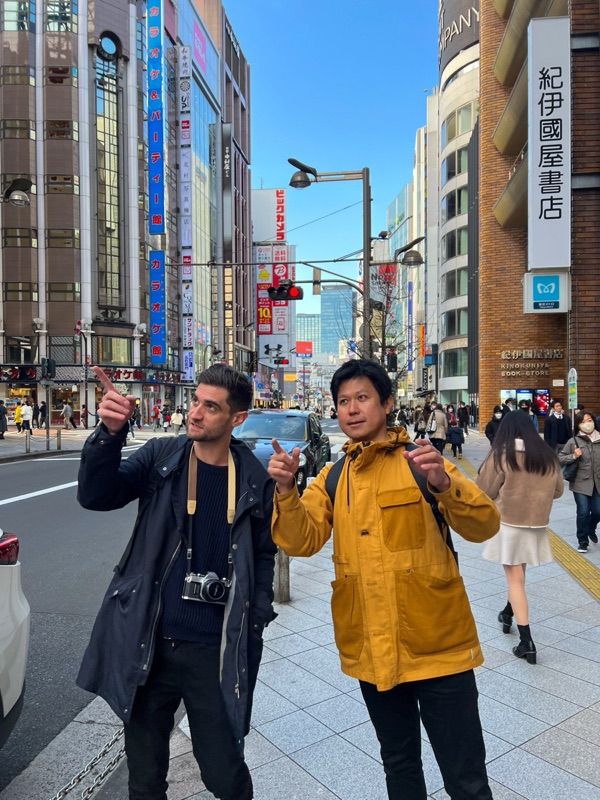
Yes — Kabukicho is safe for visitors at night, with one big caveat: never follow a street tout into a bar. Violent crime is rare even here, in Japan’s largest entertainment district, but overcharging scams targeting tourists are real. Walk with purpose, choose venues yourself (or go with a local), and Kabukicho is one of the most electric nights out in the world.
Read the guide →
Is Golden Gai a Tourist Trap? No — Here's the Real Guide for First-Timers
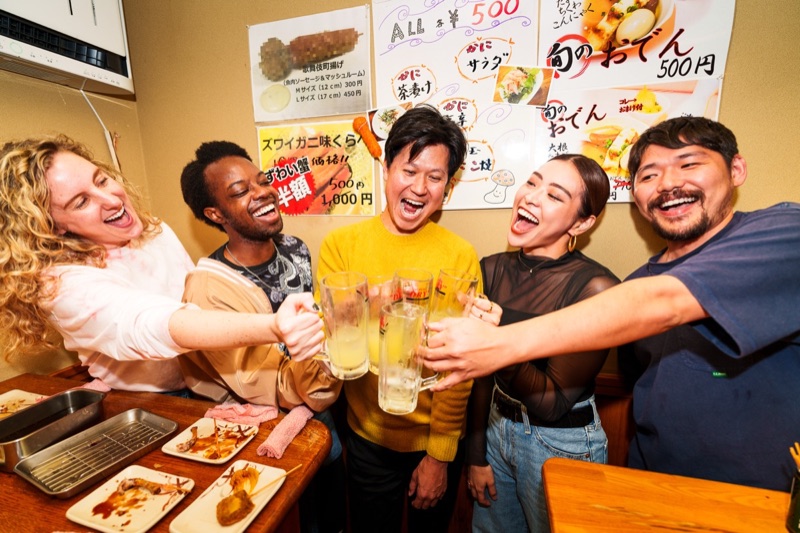
Golden Gai is a cluster of six narrow alleys in Shinjuku holding over 200 bars, most seating fewer than ten people. First-timers are welcome at many of them — look for English signs or posted prices, expect a ¥700–¥2,000 cover charge (think of it as a table charge) at most counters, don’t photograph people without asking, and treat every bar like someone’s living room. Pick the door whose vibe matches yours, and you’ll have one of Tokyo’s most memorable nights.
Read the guide →
Is Tsukiji Still Worth Visiting? What Actually Moved to Toyosu
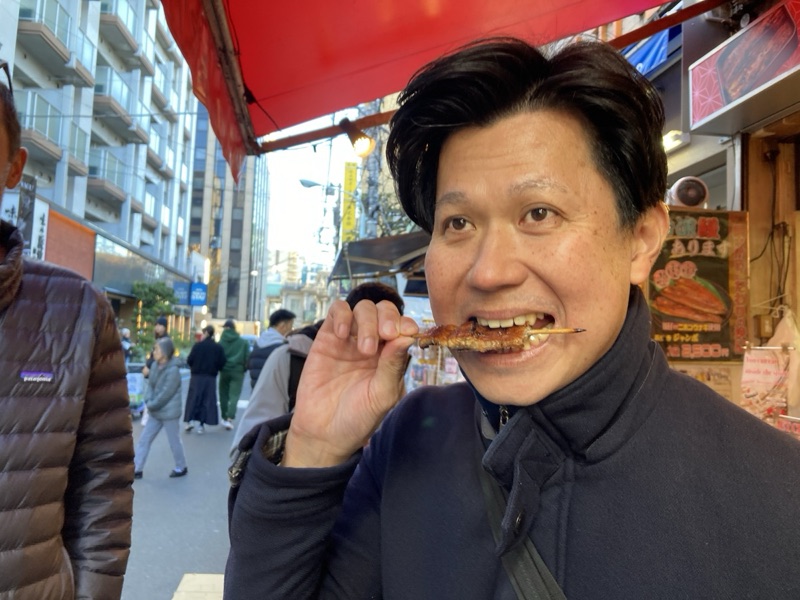
Yes — Tsukiji is absolutely still worth visiting. Only the inner wholesale market (the famous tuna auction) moved to Toyosu in 2018. The outer market stayed exactly where it was: 400+ shops and stalls selling fresh seafood, tamagoyaki, knives, tea, and street food, and it remains the best food morning in Tokyo. Go hungry, go before 10 a.m., and bring cash.
Read the guide →
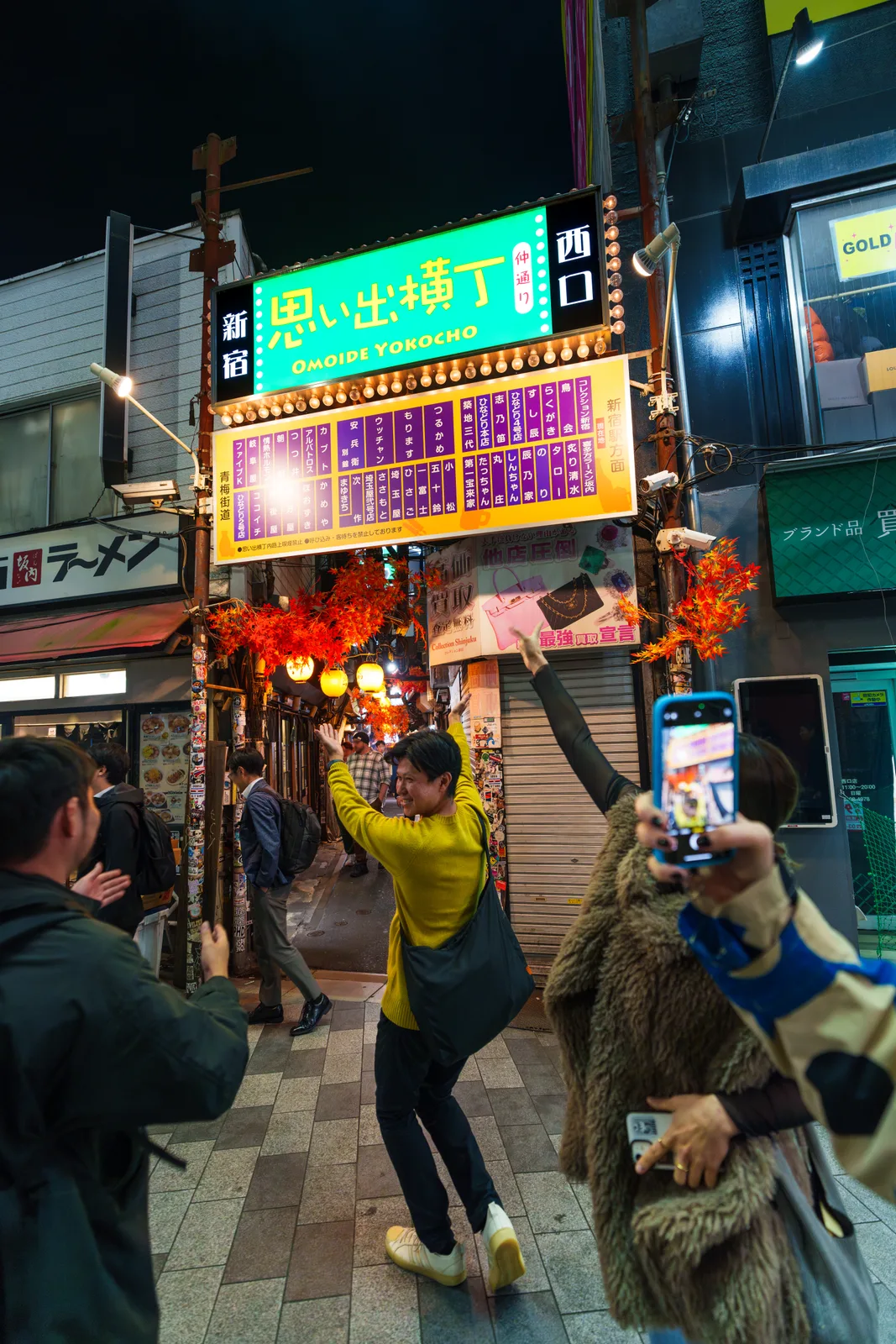
Omoide Yokocho vs Golden Gai: Which Should You Visit?
Short answer: both, in one evening — they do different jobs. Omoide Yokocho is for eating: a lantern-lit lane of tiny yakitori and motsuyaki counters beside Shinjuku Station’s west exit, best from around 17:00. Golden Gai is for drinking: six alleys of 200+ themed micro-bars on the east side, best after 21:00. They’re a 10-minute walk apart, so the classic Shinjuku night is dinner in the Yokocho first, bar-hopping in Golden Gai after.
Read the guide →
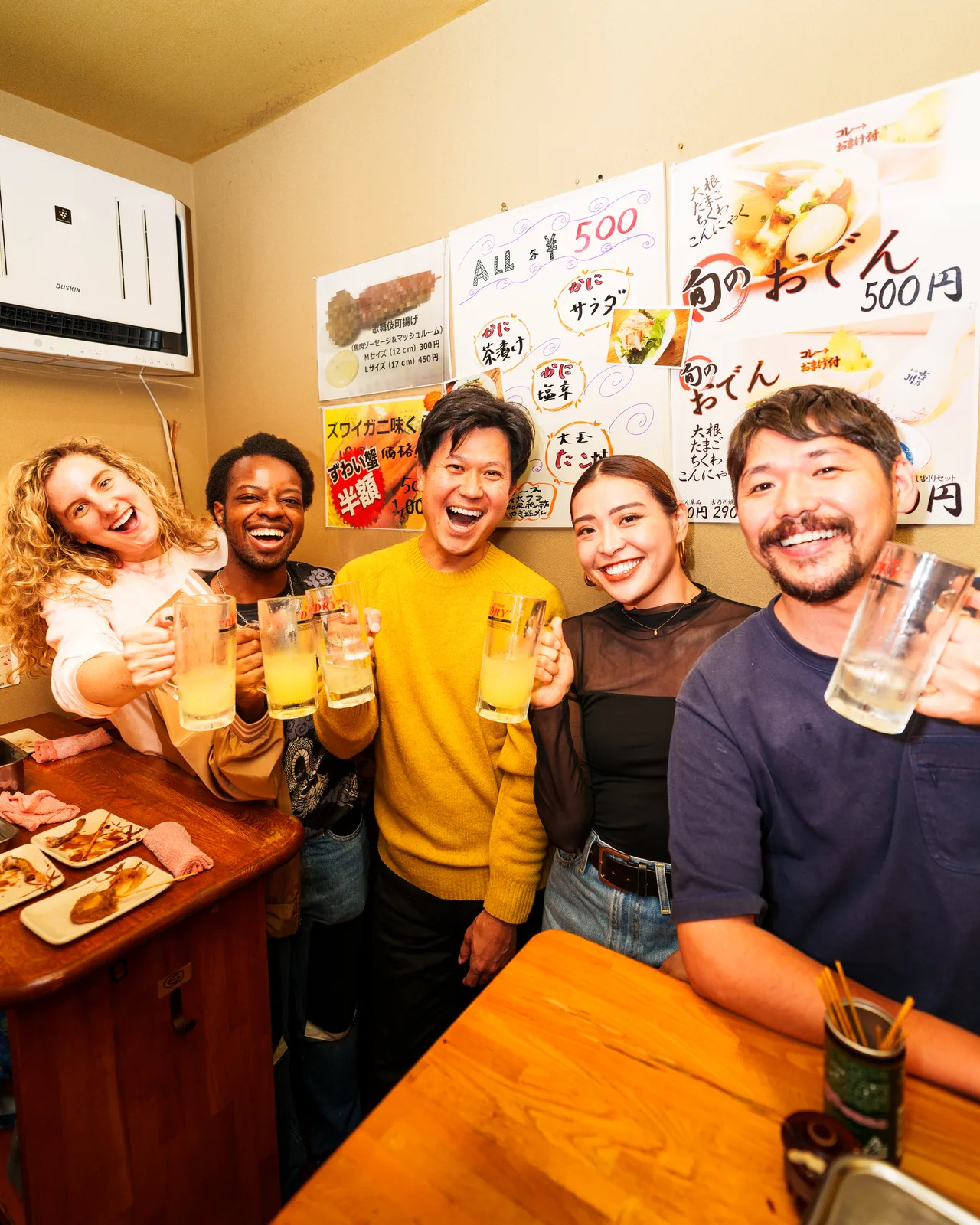
Tokyo Izakaya Etiquette: The Rules First-Timers Actually Need
Relax — izakaya etiquette is mostly common sense, and staff forgive far more than travelers fear. The essentials: the small unordered appetizer (otoshi, ¥300–¥800) is a legitimate seat charge, not a scam; order a drink first before studying the food menu; dishes are shared, not individual; say “sumimasen” to call staff — it’s polite, not rude; and never tip. Get those five right and you’ll pass for a regular.
Read the guide →
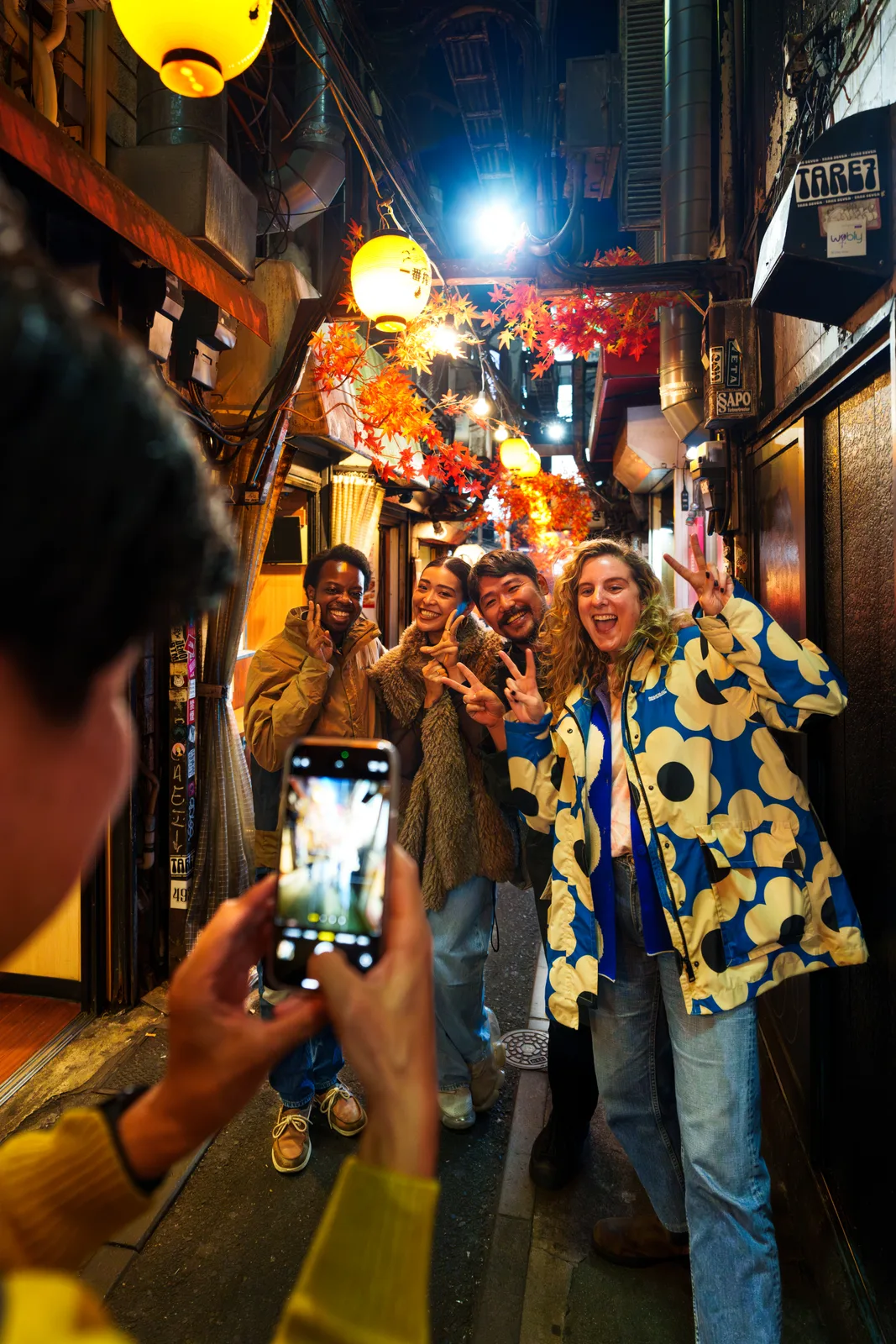
Are Tokyo Food Tours Worth It? An Honest Answer from Guides
Honest answer from people who run them: not always. If you have weeks in Tokyo, love researching restaurants, and feel comfortable walking into a place with no English menu, you don’t need a food tour. Where a tour earns its price is the opposite situation: your first night or two, the izakaya alleys where the best counters have eight seats and no signage in English, dietary restrictions, or traveling solo and wanting company. One good guided night early in the trip also teaches you how to eat everywhere else on your own.
Read the guide →
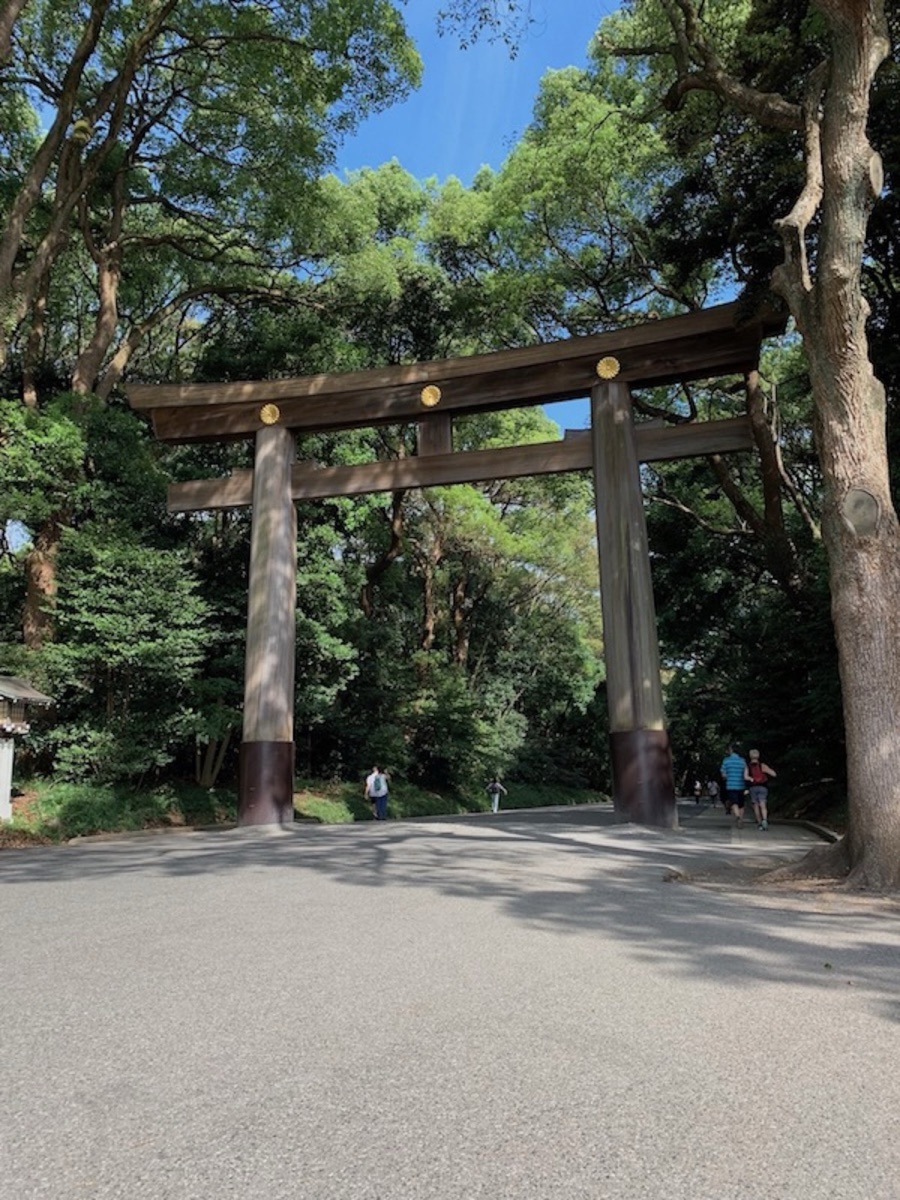
Visiting Meiji Shrine: Etiquette, Best Time & What to Expect | Tokyo Local Guide
Go early: Meiji Shrine opens at sunrise (roughly 5:00–6:40 a.m. depending on the month), and the first two hours are when the 100,000-tree forest is at its quietest. Entry is free. The etiquette essentials fit in a minute: bow once before passing under the torii gate, walk to either side of the path (the center is reserved for the deity), purify your hands at the water basin, and pray with two bows, two claps, one bow. Dress is casual-fine — respect here is about behavior, not clothing.
Read the guide →
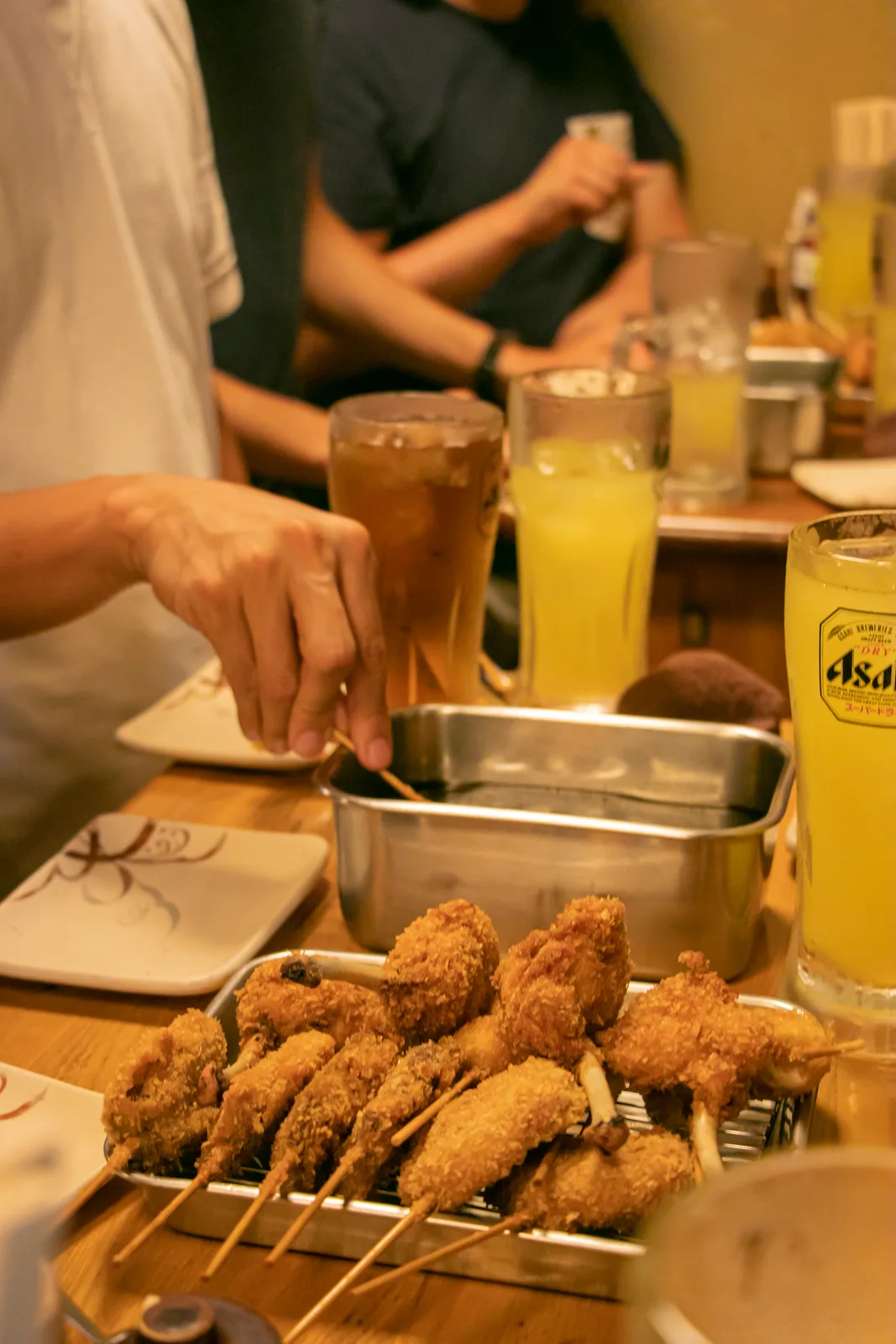
What Is an Izakaya? How It Differs from a Bar or Restaurant
An izakaya is a Japanese drinking establishment where food is just as important as the drinks — closer in spirit to a gastropub than either a bar or a sit-down restaurant. You order multiple small sharing dishes (called otsumami or sakana) alongside beer, sake, shochu, or highballs, and the evening unfolds at whatever pace the table sets. Unlike a Western bar, food is central to the experience, not an afterthought; unlike a restaurant, you are not expected to eat a structured meal and leave. Izakayas range from tiny counter-seat spots with eight stools to large chain venues seating hundreds, but the social logic is the same: stay as long as you like, keep ordering, and share everything.
Read the guide →
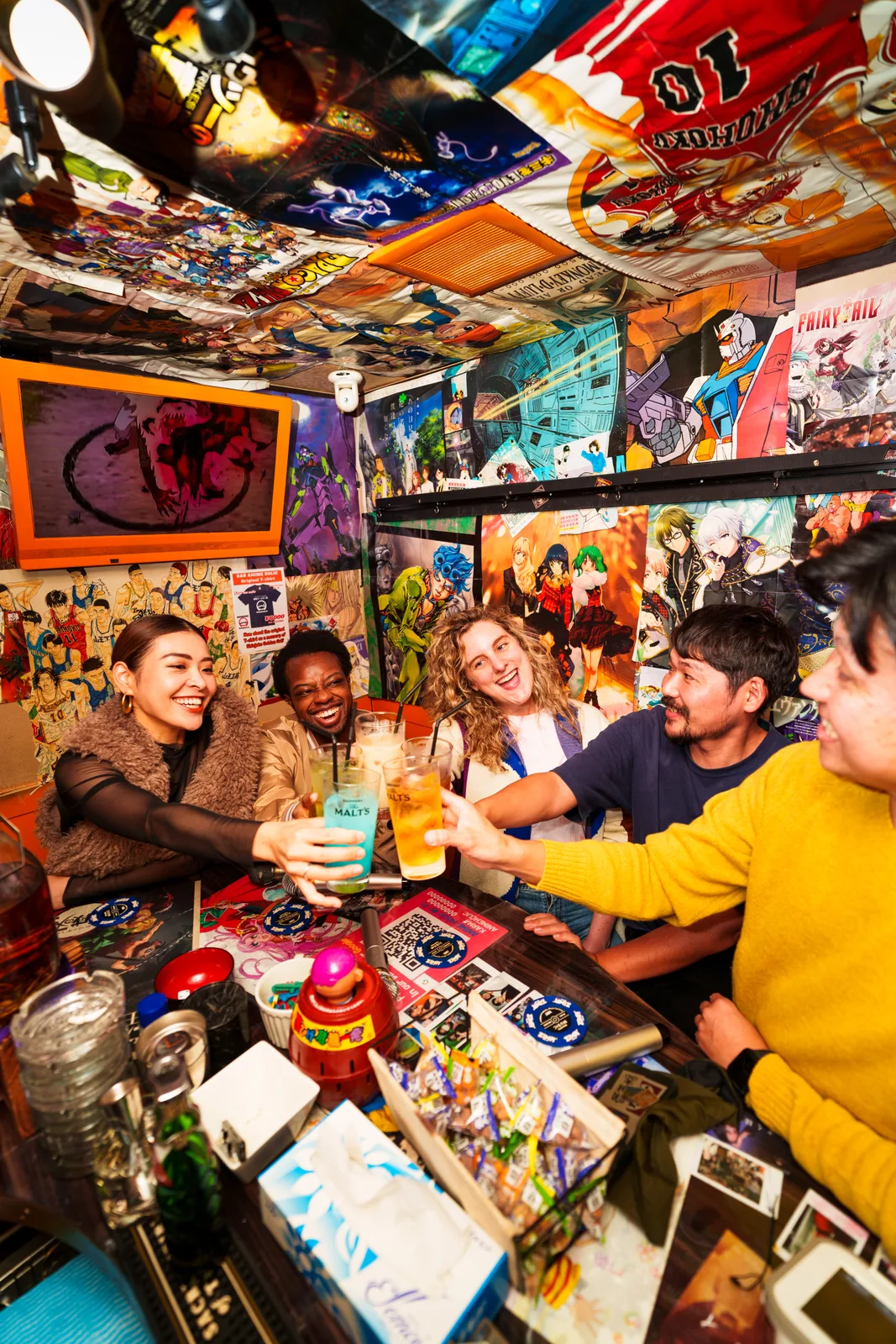
Is Tokyo Nightlife Fun as a Solo Traveler? (Yes — Here's Why It Works)
Tokyo nightlife is one of the best cities in the world to explore solo. Bars are small, counter seating is the norm, and locals are accustomed to people drinking alone — there is no social stigma and no awkward moment when the host seats a party of one. Solo women can enjoy the same areas safely, with a few specific precautions worth knowing: stick to Golden Gai and established izakaya alleys rather than Kabukicho's host-club blocks, and ignore any touts who approach you on the street. Roughly a third of the guests on our Shinjuku nightlife tour join alone, and the small-group format does most of the social work for you.
Read the guide →
What Is Nomihodai? Japanese Drinking Culture Rules Explained
Nomihodai (飲み放題) means 'all-you-can-drink' and refers to a fixed-price, time-limited deal — typically 90 minutes to two hours — offered at izakayas and restaurants across Japan. You pay a set fee on top of your food order and drink as much as you like from a set menu of beer, sake, shochu, highballs, wine, and soft drinks for the duration. Beyond the deal itself, Japanese drinking culture comes with its own quiet rules: you pour for others rather than yourself, you wait for the kanpai (toast) before drinking, and you never have to down alcohol if you'd rather not — ordering oolong tea (ウーロン茶) is a completely normal and face-saving way to stay in the round without touching a drop.
Read the guide →
What to Eat at Tsukiji Outer Market: A Must-Try List
At Tsukiji Outer Market, the must-tries are grilled seafood skewers, fresh sushi or sashimi, tamagoyaki (sweet rolled egg omelet), onigiri, and matcha-based sweets. These cover the market's greatest hits and suit most dietary needs across the 400-plus stalls still trading in the outer market. Budget around ¥5,000 per person in cash for a satisfying morning of grazing — more if you want to go deeper into sushi or premium seafood. The market is at its most crowded from around 09:00 to 12:00, and many stalls sell out by early afternoon — so arriving around 08:00, when many of the best shops open, makes a real difference to both what you'll find and how long you'll queue.
Read the guide →
Shimokitazawa, Koenji & Nakano: Where Young Tokyo Actually Hangs Out
If you want the Tokyo that young locals actually inhabit — vintage fashion, tiny live-music venues, third-wave coffee, retro shopping arcades — head west. Shimokitazawa (four minutes from Shibuya) is Tokyo's vintage-clothing capital, Koenji (about seven minutes from Shinjuku on the Chuo line) is its underground music heartland, and Nakano (one stop from Shinjuku) hides one of the world's great pop-culture treasure troves inside a 1960s shopping complex. None of the three appears on a typical first-timer itinerary, and that is exactly the point.
Read the guide →
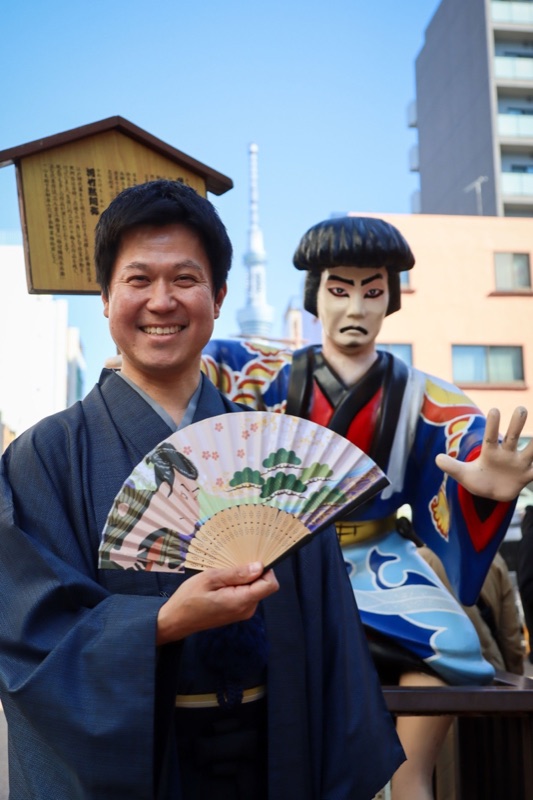
What Can You Do on a Private Tokyo Tour? Real Examples & How It Works
A private custom Tokyo tour means the itinerary is built around your group and nothing else: you tell us your interests, we design a route, and a local English-speaking guide spends the day with only you — handling every train, queue, and menu along the way. Guests use it for everything from a first-day orientation covering Tsukiji and Asakusa to vintage-shopping afternoons in Shimokitazawa, and pricing starts from $289 (about ¥46,000) for a five-hour tour. The best day to schedule it is near the start of your trip, so your guide's recommendations can improve everything that comes after.
Read the guide →
Do You Tip in Tokyo? Restaurants, Taxis, Guides & Hotels Explained
No, you don't need to tip in Tokyo. Japan has no tipping culture — nobody in a restaurant, taxi, or hotel expects a tip, and in some formal situations an older generation of staff may feel momentarily unsure what to do with cash handed to them. That said, tipping is not rude or offensive, and if you genuinely want to thank someone, a small gesture is received warmly. The most Japanese way to show appreciation at a bar or restaurant isn't to leave money on the table — it's to buy your server or chef a drink.
Read the guide →
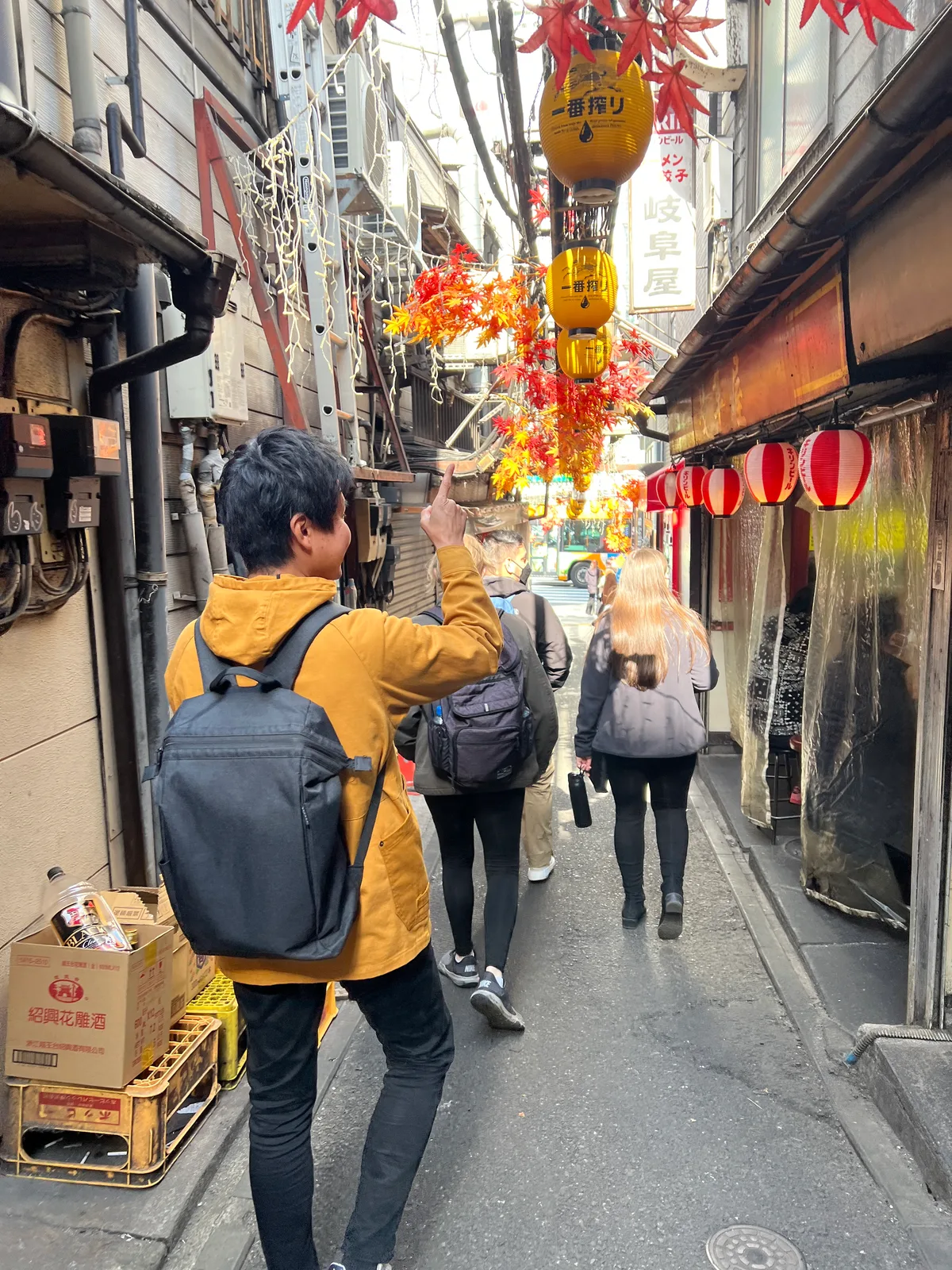
How to Find Local Experiences in Tokyo (Without the Tourist Traps)
In Tokyo, “local” rarely means hidden — it means small and unsigned. The real neighborhood life happens at eight-seat izakaya counters, along shotengai (shopping streets) built around ordinary train stations, in shrines at 7 a.m., and in yokocho alleys where the menu is handwritten in Japanese. You find it by changing two things: where you look (one or two stops past the famous stations) and when you look (before 10 a.m. or after 9 p.m., on weekdays). Then use the tools Tokyo residents use — Google Maps searched in Japanese, Tabelog scores read the local way, and the willingness to walk into a place with no English sign. For your first night, the fastest shortcut is a person who already knows which door to open — that is the one thing no app can replace.
Read the guide →
One Perfect Night in Shinjuku: What to Do from 5pm to Midnight
Start your Shinjuku evening at the free observation deck of the Tokyo Metropolitan Government Building around 5:30pm, then walk to Omoide Yokocho for yakitori and beer as the alley fills up. Cross into Kabukicho to take in the neon and grab kushiage at a standing bar, then finish the night in Golden Gai, where more than 200 tiny bars pack six alleys that most visitors can't navigate alone. That four-stop loop — observation deck to Golden Gai — is the most satisfying way to spend a single night in Shinjuku, and you can do it entirely on foot because all four areas sit within about a 15-minute walk of each other.
Read the guide →