The short answer
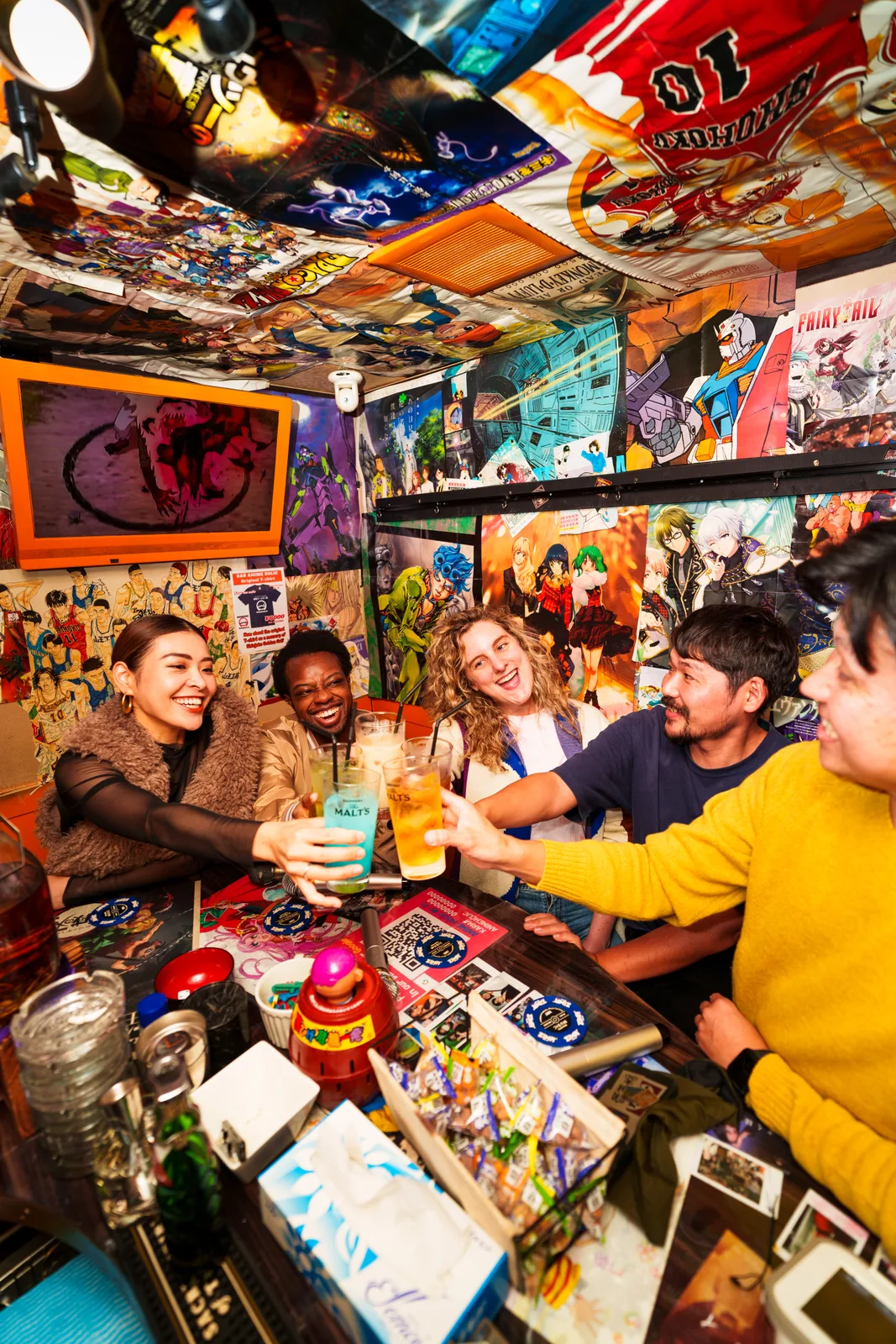
Tokyo nightlife is one of the best cities in the world to explore solo. Bars are small, counter seating is the norm, and locals are accustomed to people drinking alone — there is no social stigma and no awkward moment when the host seats a party of one. Solo women can enjoy the same areas safely, with a few specific precautions worth knowing: stick to Golden Gai and established izakaya alleys rather than Kabukicho's host-club blocks, and ignore any touts who approach you on the street. Roughly a third of the guests on our Shinjuku nightlife tour join alone, and the small-group format does most of the social work for you.
Want to do this with a local? Shinjuku Food & Drink Night Tour — From $130 (~¥20,500), small group, led by our own guides.
How Tokyo's bar scene is designed for solo drinkers
Japanese bar culture evolved around the solo customer in a way that most Western cities never did. Izakayas run long L-shaped counters precisely so a single person can settle in, order a beer, and feel completely at home. Golden Gai's bars seat between 5 and 10 people maximum — there is no large table you are conspicuously absent from, and conversation with whoever is next to you starts almost automatically. Our article on Golden Gai for first-timers covers the mechanics of picking a bar and paying the cover charge (typically ¥700–¥2,000) in more detail.
Omoide Yokocho works the same way. The counters are short, the smoke is thick, and the regulars make room without ceremony. The trick for solo visitors is knowing which doors to open and what to order — the language barrier is the real obstacle, not a lack of welcome. That is exactly what a local guide removes from the equation.
Solo women: where it's easy, where to be careful
Golden Gai, Omoide Yokocho, and the main izakaya streets around Shinjuku Station are all straightforward for solo women. These are well-lit, densely populated areas where the crowd is a mix of office workers, tourists, and locals of all ages. Sexual harassment is rare compared to most major cities, and convenience stores and coffee shops are open all night if you need a safe place to wait or regroup.
Kabukicho deserves more attention. The area immediately around the Godzilla head and the main entertainment blocks is fine — busy, well-lit, and full of ordinary restaurant-goers. The concern is the side streets where host clubs and some hostess bars operate: touts here specifically target solo women and can be persistent. The simple rule: walk confidently, make no eye contact with anyone calling out to you, and keep moving. Our full breakdown of what to avoid is in “Is Kabukicho Safe at Night? A Local’s Honest Answer”. If you'd rather skip the navigation guesswork entirely, joining our Shinjuku Food and Drink Night Tour means a local handles all of it — we cross Kabukicho as a group, and the guide manages the street-level friction so you don't have to.
One practical note on late nights: Tokyo's subway stops running around midnight. If you plan to stay out until 2 or 3 AM, budget for a taxi home (metered, honest, and easy to flag) or plan around the first train at roughly 5 AM. Waiting out the gap at a 24-hour diner or manga café is a perfectly normal Tokyo move.
Making the most of it: the solo traveler's practical game plan
The best solo-traveler itinerary for a Shinjuku night requires almost no Japanese. Start with a standing bar or izakaya in Omoide Yokocho before 7 PM — seats are easier to get early and the atmosphere is already full. Move to Golden Gai between 7 and 9 PM, when the bars are warm but not yet crowded to the point that you cannot hear anyone. Scan the alley boards for English-friendly signs (many bars write 'welcome' or list a language), pay the cover charge, and order a whisky highball or a beer to start. One or two bars in Golden Gai makes a satisfying night by most measures.
If the idea of navigating cover charges and choosing the right door feels like too much friction on your first night in Tokyo, that is genuinely a reasonable feeling. Roughly one in three guests on our nightlife tour joins alone, and the small cap of 10 people means you are sharing tiny bar counters with a handful of travelers rather than a crowd. By the time you reach Golden Gai you have already eaten, had a few drinks, and know the people next to you — which is a better outcome than most solo bar nights anywhere in the world.
A few useful numbers to have: the cover charge in Golden Gai typically runs ¥700–¥2,000 per bar. A highball or beer is usually ¥900–¥1,300. A taxi from Shinjuku to most central Tokyo hotels will be in the range of ¥1,500–¥3,000 depending on distance. None of these are surprises if you budget for them.
Frequently asked questions
Is it socially acceptable to drink alone in Tokyo?
Completely normal. Solo dining and drinking is so common in Japan that izakayas and ramen counters are specifically designed for it. You will not feel out of place, and staff will not treat you differently from a group.
Is Golden Gai safe for solo women at night?
Yes. Golden Gai is one of the safer nightlife pockets in Shinjuku — the alleys are narrow but well-trafficked, and the bar-owner culture is protective of customers. Stay in the six-alley Golden Gai zone itself and you are in good shape. The areas to be more careful about are the host-club side streets north of Kabukicho's main drag, which are a different neighbourhood entirely.
What should I do if a tout approaches me in Kabukicho?
Keep walking and avoid eye contact. Do not engage, even to say no politely — a response of any kind signals that you are willing to continue the interaction. Touts work specific stretches of street; walking two blocks in any direction removes you from their territory. If you feel unsafe, enter any convenience store or restaurant and the tout will not follow.
What time does the last train leave Shinjuku, and what are my options after that?
Tokyo's trains generally stop running around midnight and resume around 5 AM. After midnight, taxis are the standard option — they are metered, plentiful outside Shinjuku Station's main exits, and drivers are honest. Alternatively, many solo travelers plan a 'gap night' at a 24-hour family restaurant (famiresu) or manga café, both of which are inexpensive and well-lit.
More local guides
- Is Kabukicho Safe at Night? (And Is It Dangerous?) — A Local's Honest Answer →
- Is Golden Gai a Tourist Trap? No — Here's the Real Guide for First-Timers →
- Is Tsukiji Still Worth Visiting? What Actually Moved to Toyosu →
- Omoide Yokocho vs Golden Gai: Which Should You Visit? →
- Tokyo Izakaya Etiquette: The Rules First-Timers Actually Need →
- Are Tokyo Food Tours Worth It? An Honest Answer from Guides →
- Visiting Meiji Shrine: Etiquette, Best Time & What to Expect | Tokyo Local Guide →
- What Is an Izakaya? How It Differs from a Bar or Restaurant →
- What Is Nomihodai? Japanese Drinking Culture Rules Explained →
- What to Eat at Tsukiji Outer Market: A Must-Try List →
- Shimokitazawa, Koenji & Nakano: Where Young Tokyo Actually Hangs Out →
- What Can You Do on a Private Tokyo Tour? Real Examples & How It Works →
- Do You Tip in Tokyo? Restaurants, Taxis, Guides & Hotels Explained →
- How to Find Local Experiences in Tokyo (Without the Tourist Traps) →
- One Perfect Night in Shinjuku: What to Do from 5pm to Midnight →