The short answer
No, you don't need to tip in Tokyo. Japan has no tipping culture — nobody in a restaurant, taxi, or hotel expects a tip, and in some formal situations an older generation of staff may feel momentarily unsure what to do with cash handed to them. That said, tipping is not rude or offensive, and if you genuinely want to thank someone, a small gesture is received warmly. The most Japanese way to show appreciation at a bar or restaurant isn't to leave money on the table — it's to buy your server or chef a drink.
Restaurants, izakayas, and bars: the local way to say thank you
Leaving coins or notes on a restaurant table after a meal is not standard practice in Japan, and it can occasionally confuse staff who assume you've forgotten your change. The bill is settled at the register, service is considered part of the job, and there's no expectation of anything extra. You won't be judged for not tipping — no one will notice.
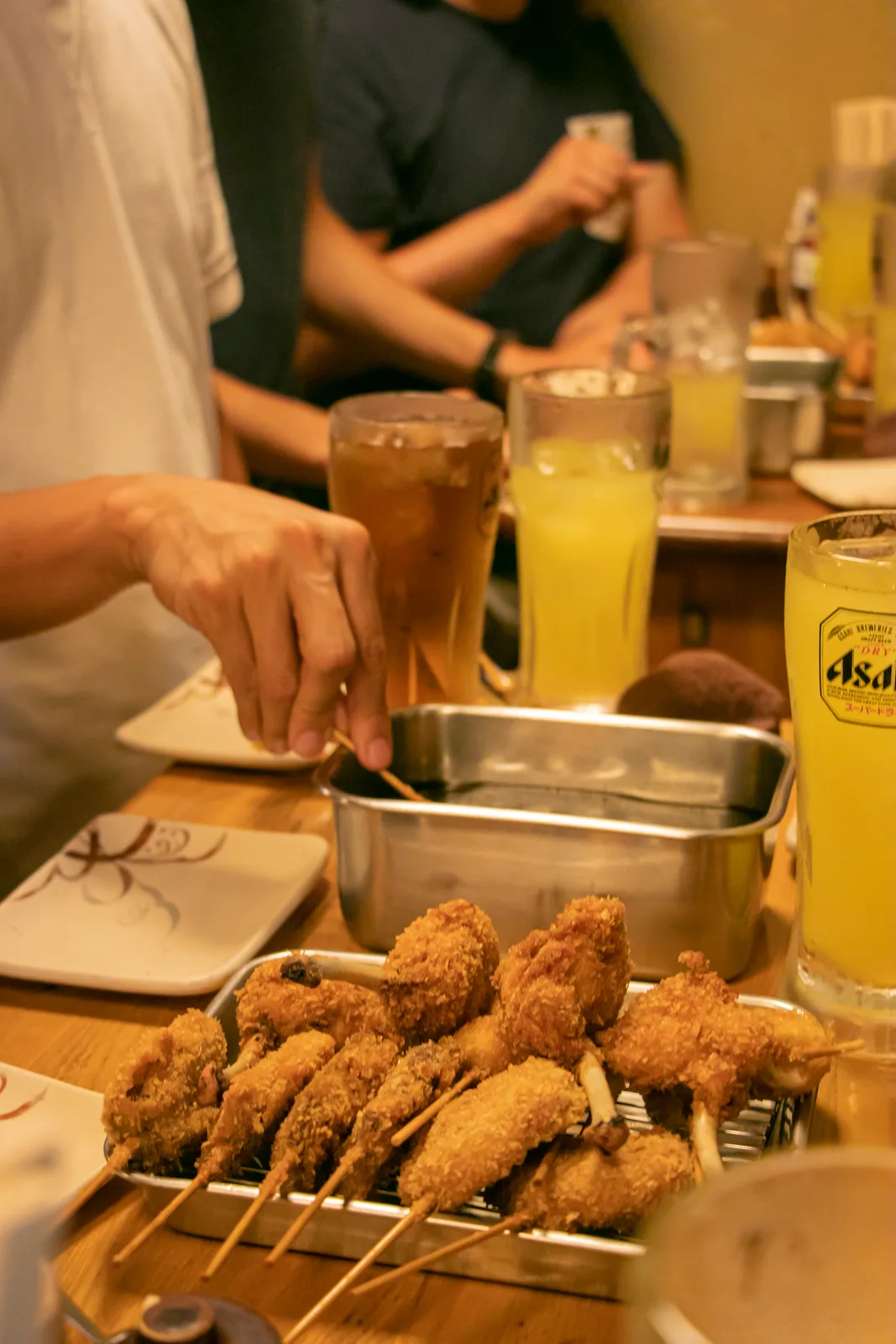
The Japanese way of expressing genuine appreciation at an izakaya, bar, or restaurant is to buy the person serving you a drink. When you order your next beer, sake, or highball, catch the waiter's or bartender's eye and say 'Ippai douzo' — roughly 'please have a drink on me.' The meaning is clear: you're saying the food or service has been excellent and you'd like to thank them properly. Most staff smile, accept graciously, and the evening gets warmer. Our izakaya-etiquette article covers the full atmosphere of these places if you want more context.
At a standing bar in Golden Gai or a counter seat in Omoide Yokocho, this gesture lands especially well — these are small, personal venues where the bartender is often the owner. It costs the price of one drink and tends to open up real conversation. If you'd like to practice this in a setting where a local guide can coach you through it, our Shinjuku nightlife tour moves through exactly these kinds of places — an Omoide Yokocho izakaya, a Kabukicho standing bar, and Golden Gai — with all food and drinks included.
Tour guides, taxis, and hotel staff
Tour guides are the one situation where tipping is becoming genuinely familiar, particularly guides who work with international visitors regularly. A tip is never expected, and your guide will not hint at it — but if you had a great time and want to leave something, it will be received with real appreciation. There is a small ritual worth knowing: Japanese politeness means your guide may initially decline ('No, no, please don't worry'). This is genuine courtesy, not a performance. If you offer once more and make clear you'd like them to have it, they will almost always accept on the second or third offer with a quiet 'Are you sure? Thank you so much.' Don't be put off by the first refusal — it's simply how the exchange tends to go.
Taxi drivers in Tokyo operate at a fixed metered rate and do not expect tips. Handing a driver extra cash is unusual and the driver will typically try to give you change — it's simpler to pay the meter amount, either by cash or card. Hotel staff, including concierge and housekeeping, likewise work within a service system that doesn't include gratuities. A sincere 'Arigatou gozaimasu' with a slight bow is genuinely appreciated and entirely appropriate. If a concierge secures a difficult reservation for you, a small gift (omiyage — regional sweets or a treat from your home country) is a culturally fitting way to say thank you, and often means more than cash would.
For context: our FAQ already addresses guide tipping directly, and the consistent answer from our own team is that a kind review on Google or your booking platform matters at least as much as a cash tip — it helps the next traveler find a great guide, which is something money can't quite replicate.
When NOT to tip — and a few practical notes
Avoid tipping in formal or high-end settings: a kaiseki restaurant, a traditional ryokan, or a tea ceremony. In these environments, presenting unsolicited cash can feel awkward rather than generous — the formality of the service is itself the hospitality. A written thank-you, or simply expressing your appreciation verbally and with a bow, is the appropriate response.
Convenience stores, fast food counters, ramen shops, and vending-machine-style restaurants have no tipping expectation at all — these are transactional by design, and no gesture is needed or appropriate beyond being polite in the queue. Self-checkout ramen shops, where you buy a ticket from a machine and hand it to the kitchen, don't involve a tipping moment at any point.
One practical tip: keep some small bills and coins on you throughout your Tokyo trip. Cash remains essential at market stalls, small izakayas, and neighbourhood bars — and if you do want to offer a guide something at the end of the day, having ¥1,000 or ¥2,000 in a clean envelope (or simply folded neatly) is more gracious than handing over a crumpled note. The small ceremony of presentation matters in Japan.
Frequently asked questions
Will my tour guide be offended if I don't tip?
Not at all. Tips are never expected in Japan, and your guide will not hint at one. What guides genuinely value is a kind review on Google or your booking platform — it helps future travelers and means a great deal to a small local team. If you'd also like to leave a cash tip, it will be warmly received, but please never feel obligated.
What does 'Ippai douzo' mean and when should I say it?
'Ippai douzo' means 'please have a drink' and is the natural Japanese way to treat a bartender, waiter, or chef to a round as a thank-you. Say it when ordering your own drink, catch the server's eye, and gesture toward them. It works especially well at small izakayas and Golden Gai bars where the person serving you is often the owner. Most staff respond with genuine warmth.
Should I tip in a taxi in Tokyo?
No. Tokyo taxi drivers operate on a metered fare and do not expect tips. If you hand over extra cash, the driver will usually attempt to return the change. Pay the meter amount — cash or card — and a polite 'arigatou' as you exit is all that's needed.
My guide declined when I offered a tip. Should I try again?
Yes, once more. Initial refusal is a normal expression of Japanese politeness — it doesn't mean the tip is unwelcome. Offer again and make clear it's a genuine gesture of appreciation. Most guides will accept on the second or third offer with thanks. If they decline a second time, respect that and leave it there.
More local guides
- Is Kabukicho Safe at Night? A Local’s Honest Answer →
- Golden Gai for First-Timers: Etiquette, Cover Charges & How to Pick a Bar →
- Is Tsukiji Still Worth Visiting? What Actually Moved to Toyosu →
- Omoide Yokocho vs Golden Gai: Which Should You Visit? →
- Tokyo Izakaya Etiquette: The Rules First-Timers Actually Need →
- Are Tokyo Food Tours Worth It? An Honest Answer from Guides →
- Visiting Meiji Shrine: Best Time, Etiquette & What Not to Do →
- What Is an Izakaya? How It Differs from a Bar or Restaurant →
- Is Tokyo Nightlife Fun as a Solo Traveler? (Yes — Here's Why It Works) →
- What Is Nomihodai? Japanese Drinking Culture Rules Explained →
- What to Eat at Tsukiji Outer Market: A Must-Try List →
- Shimokitazawa, Koenji & Nakano: Where Young Tokyo Actually Hangs Out →
- What Can You Do on a Private Tokyo Tour? Real Examples & How It Works →